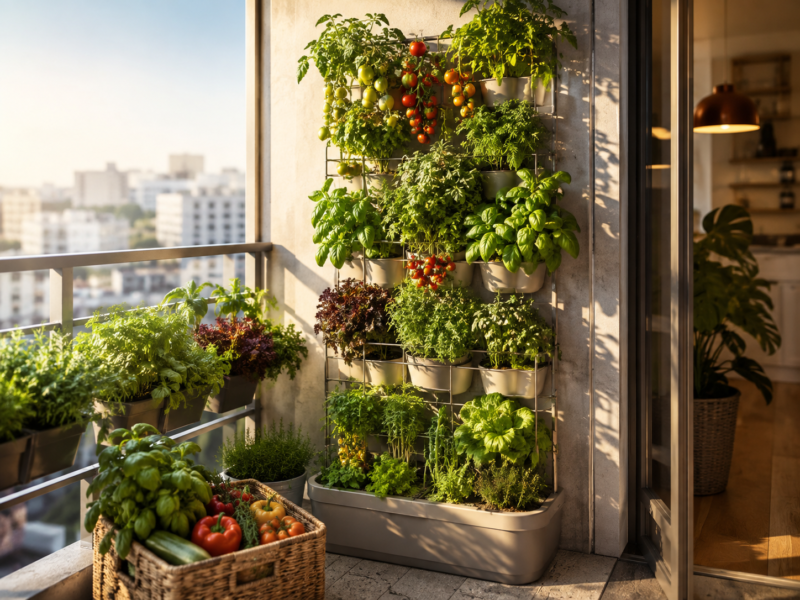
What if you could grow your own food in a space no bigger than a doormat? This 4 Foot Farm Blueprint review breaks down exactly what this digital program offers, who it’s designed for, and whether it delivers on its bold promises.
Grocery bills keep climbing. Unpredictable weather wipes out harvests. Apartment living leaves you feeling completely dependent on store shelves. Sound familiar?
The good news is that learning how to grow food in a small space has never been more accessible. The 4 Foot Farm Blueprint is a beginner-friendly, step-by-step system built around vertical gardening techniques that work in as little as 4 square feet, indoors or out. You don’t need a backyard, a green thumb, or a big budget to get started.
Here’s a quick look at what this review covers:
- What the 4 Foot Farm Blueprint includes
- Key features and how they work in real life
- Who benefits most from this system?
- Honest pros, cons, and a final verdict
What Is the 4 Foot Farm Blueprint?
The 4 Foot Farm Blueprint is a complete vertical gardening system created by Sam McCoy, a self-reliance advocate who developed the method after years of experimenting with compact growing setups. It’s not simply a gardening book. It’s a full digital blueprint covering everything from initial setup to harvest.
According to the program, anyone can grow non-GMO fruits and vegetables in as little as 4 square feet, whether on a balcony shelf or in a backyard corner. The approach draws from vertical gardening traditions, including techniques associated with botanist Patrick Blanc and historical wall-growing methods used across Europe and Asia, giving it a credible foundation.
Vertical Growing Plans: Indoor and outdoor options adaptable to most climates and living situations.
Low Startup Costs: Running costs are estimated at roughly $10 per month, far below what traditional gardening typically demands.
Yield Maximization: Density planting and vertical stacking principles are built directly into the plan, so you grow more per square inch.
Surplus Income Module: A dedicated chapter on selling and bartering extra produce, something most gardening guides skip entirely.
Curious about what’s inside? Visit the official site to see the full breakdown before committing.
Who Is It Designed For?
If you’ve ever wondered how to grow food in a small space, this blueprint was built with you in mind. The primary audience includes apartment dwellers, urban residents, preppers, and homesteaders who face real limitations around space, climate, or land access.
It also suits anyone pursuing greater food self-sufficiency without committing to a full-scale garden. The system works around your constraints rather than against them, making it accessible to beginners and practical for experienced growers looking to maximize limited space.
Inside the 4 Foot Farm Blueprint: Feature Breakdown
The program packs a surprising amount of value into one digital guide. Here’s what you get and why each piece matters.
The vertical gardening system trains plants to grow upward instead of spreading outward, one of the smartest answers to growing food in a tight space without sacrificing variety. A patch smaller than a coffee table becomes a functioning garden, which removes the most common excuse people use for not starting.
Both indoor and outdoor environments are covered with specific, tailored guidance, so it doesn’t matter whether you rent or own. Every crop in the guide is non-GMO, supporting cleaner eating with no chemicals or mystery ingredients. The step-by-step instructions are clear, sequential, and written for complete newcomers, with instant digital access the moment you sign up.
Slash Your Grocery Bill Without a Big Backyard
One of the most compelling aspects of this blueprint is what it promises on cost: running expenses of roughly $10 per month after setup. For households already stretching a tight grocery budget, that number is hard to ignore.
The vertical system is designed to maximize yield from minimal space, meaning you spend less at the store without needing land, a greenhouse, or expensive equipment. Could shaving even $50 to $100 off your monthly grocery bill change your financial picture?
Food Security in Any Living Situation
Renters, apartment dwellers, and urban families often feel locked out of the grow-your-own conversation. The 4 Foot Farm Blueprint directly challenges that assumption with indoor and outdoor growing plans built around real space and climate constraints.
The system grows non-GMO fruits and vegetables in as little as 4 square feet, making consistent access to fresh produce realistic regardless of your living situation. What would it mean for your family to have reliable food on hand, independent of store shelves?
Turn Your Tiny Garden Into an Extra Income Stream
Most growing guides stop at the harvest. This blueprint goes further with a dedicated chapter on selling and bartering surplus produce, which stands out as a genuine differentiator from anything else in this niche.
Whether you’re offloading extra herbs to neighbors or trading vegetables at a local market, that surplus becomes tangible value. It’s a low-pressure way to offset your costs or bring in a little supplemental income over time.

Real-World Use Cases
These aren’t hypothetical scenarios. They reflect the kind of situations this blueprint was actually built to solve.
- You’re renting a third-floor apartment and want fresh produce without outdoor space. You follow the indoor balcony plan, grow basil, cherry tomatoes, and spinach in a vertical setup, and noticeably cut your weekly produce spending.
- You own a suburban home and use a backyard vertical system to supplement grocery runs with homegrown lettuce, peppers, and herbs throughout the season.
- You’re building a low-cost food reserve and use the blueprint’s step-by-step structure to establish a dependable growing system that runs year-round with minimal effort.
Want to see which setup fits your situation? Explore the product page for a closer look at what’s included.
Pros and Cons
No product is perfect, and this one is no exception. Here’s an honest breakdown.
What We Like:
- ✅ Extremely low barrier to entry with no prior experience or large space required
- ✅ Covers both indoor and outdoor growing for nearly any living situation
- ✅ Non-GMO focus aligns well with clean eating and health-conscious households
- ✅ Includes a unique income-generating module not found in most gardening guides
- ✅ Low ongoing cost of roughly $10 per month keeps it accessible on tight budgets
What to Keep in Mind:
- ❌ Available as a digital download only, no physical book option
- ❌ Results will vary based on climate, plant selection, and consistency of effort
- ❌ The “feed your entire family” claim needs realistic expectations for a 4-square-foot setup
- ❌ Does not include deep coverage of pest management or long-term soil maintenance
None of these are deal-breakers. Learning how to grow food in a small space always involves a learning curve, and the blueprint gives you a solid foundation to build on at your own pace. Gaps like pest control can be filled with free supplemental resources as your garden grows.
What Buyers Are Saying
The overall reception from independent reviewers is cautiously positive. The blueprint has earned a B+ overall rating, with a notably strong A rating for customer support and bonus materials, suggesting the publisher genuinely stands behind the product after the sale.
Buyers are generally drawn to it for one core reason: they want practical guidance on growing food in a small space without needing a traditional garden setup. The beginner-friendly structure and instant digital delivery get consistent praise.
Step-by-step format: Appeals to first-time growers who need clear direction.
Bonus materials: Add real perceived value beyond the core guide.
Responsive support: Reduces post-purchase anxiety for newcomers.
Is It Legit?
Skepticism is healthy, especially with digital products in the gardening niche. The 4 Foot Farm Blueprint has been in circulation long enough to appear on secondary resale platforms, which points to real market longevity rather than a fly-by-night launch. Independent reviewers have also evaluated it separately from the brand’s own marketing materials.
No product is perfect for everyone, but based on available third-party signals, this appears to be a genuine, established offer.
How It Compares to Other Methods
| Feature | 4 Foot Farm Blueprint | Square Foot Gardening | Container Gardening Guides |
|---|---|---|---|
| Minimum Space | 4 square feet | 4+ sq ft (raised bed) | Varies |
| Vertical Growing | Yes | Limited | Rarely |
| Beginner Friendly | Yes | Yes | Varies |
| Income/Bartering Module | Yes | No | No |
| Digital Instant Access | Yes | No (physical book) | Free but scattered |
| Ongoing Cost | ~$10/month | Book + build costs | Low but inconsistent |
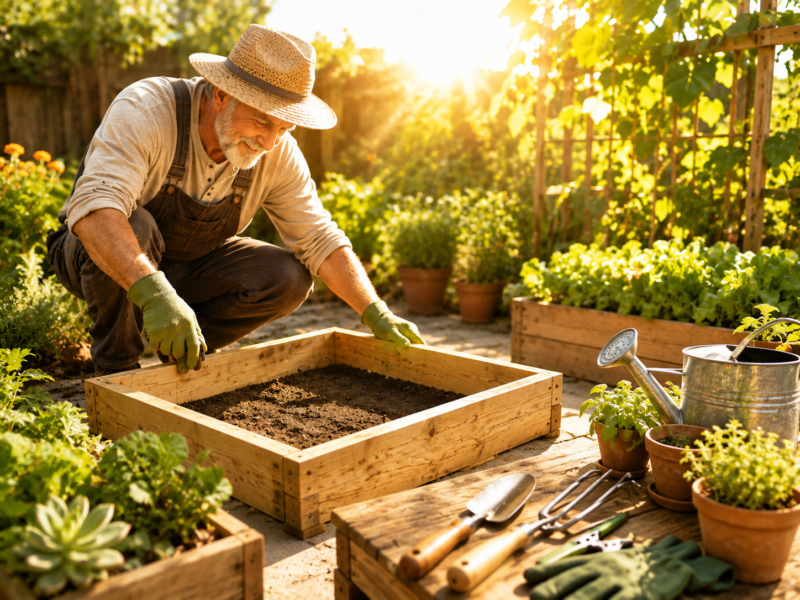
Square Foot Gardening is a genuinely solid method with decades of credibility behind it. But it works horizontally across raised beds, which means you still need outdoor space, soil, and a physical book to get started. Building a proper raised bed setup can run well over $100 once you factor in lumber, soil mix, and hardware.
Container gardening advice is everywhere online, scattered across blogs and YouTube channels of wildly inconsistent quality. The 4 Foot Farm Blueprint consolidates everything into one step-by-step structure, including that income-generating module no free guide comes close to matching.
Ready to see how it stacks up for your specific situation? Check out customer reviews from people who’ve already put it to use.
Frequently Asked Questions
Does it work if I have no gardening experience?
Yes. The blueprint is built specifically for beginners with zero prior knowledge, walking you through every stage in a clear, step-by-step format. No guesswork, no confusing jargon.
Can I use it in an apartment?
Definitely. If you’ve been wondering how to grow food in a small space like a balcony, windowsill, or interior room, the system has dedicated indoor growing plans that cover exactly that.
What kinds of food can I grow?
The blueprint focuses on non-GMO fruits and vegetables suited to vertical and compact setups. Specific crop lists are included inside the guide, so you’ll know exactly what to plant and when.
Does it work in cold climates or during winter?
Yes. Indoor growing plans are designed to keep production going year-round, regardless of outdoor conditions or climate zone.
Is this a physical book or a digital product?
It’s an instant digital download. You get access immediately after purchase with no shipping wait and no extra fees.
Can I make money with this system?
The blueprint includes a dedicated chapter on selling and bartering surplus produce. It’s a practical, low-pressure way to offset your costs or bring in supplemental income over time.
How is this different from free gardening content online?
Free guides are scattered and inconsistent. This blueprint consolidates everything into one structured system, including the income module, which you won’t find in any free resource.
Final Verdict: Is the 4 Foot Farm Blueprint Worth It?
The 4 Foot Farm Blueprint delivers on its core promise: a practical, beginner-friendly system that makes growing non-GMO food at home genuinely accessible. With low startup costs, a compact vertical design, and step-by-step guidance built around real space and climate constraints, it removes most of the barriers that stop people from ever starting.
This system is best suited for renters, apartment dwellers, suburban households, and anyone who wants to grow real food without a large yard or prior experience. It’s not a fit for seasoned growers chasing advanced techniques, and your results will still depend on consistency and effort.
What makes it stand out from the crowd:
- Grows food in as little as 4 square feet, indoors or outdoors
- Covers yield maximization, non-GMO crop selection, and surplus income strategies
- Instant digital download means you can start the same day
Learning how to grow food in a small space is more than a practical skill. It’s a quiet, steady step toward the kind of self-reliance that makes the future feel a little more certain.